Women’s Heart Health: Early Warning Signs You Should Not Ignore
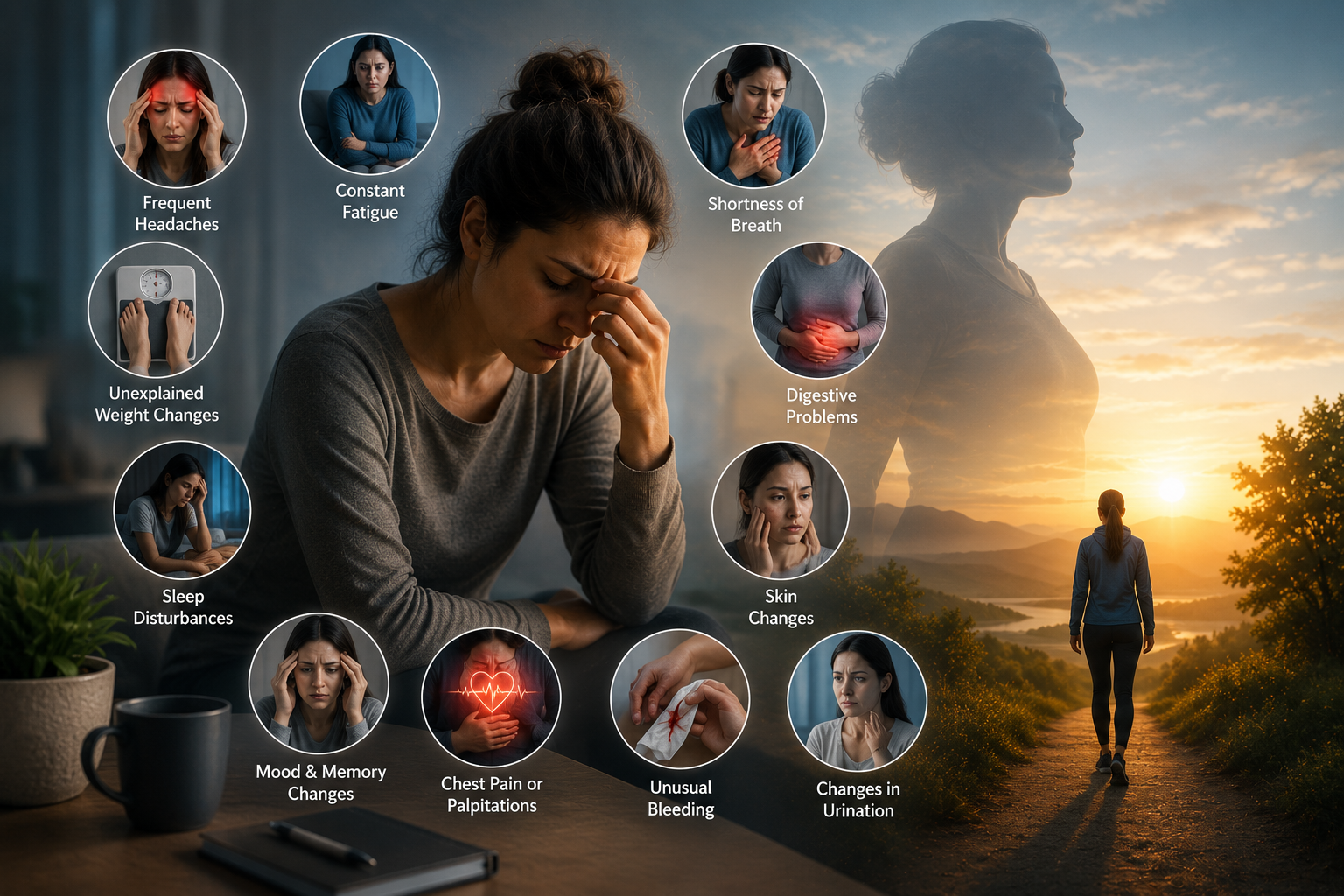
Heart disease is an important health concern for women and can affect people at different stages of life. While many people associate heart problems with chest pain, women may experience a broader range of symptoms, including shortness of breath, unusual tiredness, nausea, dizziness, and discomfort in the back, jaw, neck, or arms. Recognizing these signs early can help women seek timely medical attention.
Understanding personal risk factors and paying attention to unusual changes in the body are important parts of maintaining cardiovascular health.
Why Heart Health Matters for Women
Heart disease can develop gradually and may be influenced by several factors, including high blood pressure, high cholesterol, diabetes, smoking, physical inactivity, excess weight, and family history.
Women may also experience cardiovascular risk related to certain life stages and conditions. Pregnancy complications such as high blood pressure or gestational diabetes and early menopause can be associated with increased cardiovascular risk later in life.
Recent research also highlights the importance of reassessing cardiovascular risk during the transition toward menopause, when factors such as blood pressure, cholesterol, and blood sugar may change.
Early Warning Signs Women Should Know
Heart-related symptoms can vary considerably from person to person. Some symptoms may be mild at first and can be mistaken for indigestion, stress, fatigue, or other everyday problems.
1. Chest Pressure or Discomfort
Chest discomfort is one of the most common signs of a heart attack. It may feel like pressure, squeezing, fullness, heaviness, or pain in the center of the chest.
The discomfort may last for several minutes or disappear and return.
2. Shortness of Breath
Difficulty breathing can occur with or without chest discomfort. Sudden or unexplained shortness of breath should not be ignored, particularly when it occurs alongside other symptoms.
Women may be more likely than men to experience shortness of breath during a heart attack.
3. Unusual or Extreme Tiredness
Unexplained fatigue can sometimes be associated with cardiovascular problems. Although tiredness has many possible causes, unusual fatigue—especially when it is new, persistent, or accompanied by other symptoms—deserves attention.
4. Pain in the Back, Neck, Jaw, or Arms
Heart-related discomfort does not always remain in the chest. Pain or pressure may occur in one or both arms, the upper back, neck, jaw, or upper abdomen.
5. Nausea or Vomiting
Nausea, vomiting, or an upset stomach can occur during a heart attack. Because these symptoms are common with many less serious conditions, they may not immediately be recognized as a potential heart warning sign.
6. Dizziness or Lightheadedness
Feeling unusually dizzy, weak, or lightheaded can accompany a cardiovascular event. If these symptoms appear suddenly or occur together with chest discomfort, shortness of breath, or sweating, urgent medical evaluation is important.
7. Cold Sweating
Breaking out in an unexplained cold sweat can be another warning sign of a heart attack. It is particularly concerning when it occurs alongside chest discomfort, nausea, or shortness of breath.
8. Rapid or Irregular Heartbeat
A racing, pounding, or irregular heartbeat may occur for many reasons, including stress, caffeine, certain medications, or heart rhythm disorders. Recurrent or unexplained palpitations should be discussed with a healthcare professional.
Symptoms Can Be Subtle
One of the challenges in recognizing cardiovascular disease is that symptoms can vary between individuals. Some women may experience several symptoms at once, while others may notice only one unusual change.
Symptoms such as fatigue, sleep disturbance, nausea, shortness of breath, or discomfort in the back or jaw may be overlooked because they can resemble other common conditions. The American Heart Association emphasizes that cardiovascular symptoms can differ by sex and may change over time.
This is why persistent or unusual symptoms should not simply be dismissed as stress or normal aging.
Common Heart Disease Risk Factors in Women
Several factors can increase the likelihood of cardiovascular disease.
High Blood Pressure
High blood pressure can place additional strain on the heart and blood vessels. Because it often causes no obvious symptoms, regular blood pressure checks are important.
High Cholesterol
High levels of LDL cholesterol can contribute to plaque buildup in the arteries. A blood test can help identify abnormal cholesterol levels.
Diabetes
High blood sugar can damage blood vessels and increase cardiovascular risk. Maintaining healthy blood glucose levels is an important part of long-term heart health.
Smoking
Tobacco use damages blood vessels and increases the risk of cardiovascular disease. Avoiding tobacco is one of the important steps women can take to protect their heart.
Physical Inactivity
Regular movement supports cardiovascular fitness and can also help with weight, blood pressure, blood sugar, and cholesterol management.
Family History
A family history of heart disease may increase an individual's risk. Discussing family medical history with a healthcare professional can help determine whether additional screening is appropriate.
Women’s Heart Health During Different Life Stages
Heart health needs can change throughout a woman's life.
During Pregnancy
Certain pregnancy complications, including high blood pressure and gestational diabetes, can be associated with increased cardiovascular risk later in life. Women who experience these complications should discuss their long-term heart health with their healthcare provider.
During Perimenopause
The transition toward menopause can be an important time to reassess cardiovascular health. Changes in cholesterol, blood sugar, blood pressure, physical activity, and body composition may influence overall cardiovascular risk.
After Menopause
Heart disease risk factors may become increasingly important after menopause. Regular health assessments and healthy lifestyle habits can help women manage cardiovascular risk as they age.
Lifestyle Habits for a Healthier Heart
Healthy daily habits can support cardiovascular wellness.
Eat a Balanced Diet
Choose a variety of vegetables, fruits, whole grains, legumes, lean protein sources, and healthy fats. Limiting excessive salt, added sugars, and highly processed foods can also support overall health.
Stay Physically Active
Regular physical activity can support heart and blood-vessel health. Walking, cycling, swimming, strength exercises, or other enjoyable activities can be incorporated according to individual fitness and health needs.
Maintain a Healthy Weight
Maintaining a healthy weight can help manage several cardiovascular risk factors, including blood pressure, blood sugar, and cholesterol.
Avoid Tobacco
If you smoke or use tobacco products, seeking professional support to quit can significantly benefit cardiovascular health.
Manage Stress
Long-term stress can affect overall health and may make healthy habits more difficult to maintain. Relaxation techniques, adequate sleep, physical activity, hobbies, and social support can help with everyday stress management.
Attend Regular Health Checkups
Regular medical checkups can help identify risk factors such as high blood pressure, high cholesterol, and diabetes before they cause noticeable symptoms.
When Is Emergency Care Necessary?
A suspected heart attack is a medical emergency. Seek emergency medical help immediately if you experience symptoms such as:
Chest pressure, squeezing, or pain
Shortness of breath
Sudden discomfort in the jaw, back, neck, or arm
Severe or unexplained weakness
Nausea or vomiting accompanied by other concerning symptoms
Cold sweating
Severe dizziness or lightheadedness
Heart attacks may begin gradually, and symptoms may come and go. Do not wait for symptoms to become severe before seeking emergency care.
If you are experiencing possible heart attack symptoms, contact your local emergency medical service immediately rather than attempting to diagnose the problem yourself.
Can Homeopathy Replace Heart Treatment?
Women interested in homeopathic care should discuss their options with a qualified healthcare professional. Homeopathy should not replace emergency treatment, cardiovascular testing, prescribed medication, or care recommended by a cardiologist or other medical professional.
There is insufficient reliable evidence to establish homeopathy as a replacement treatment for heart disease or heart attacks. Women taking prescribed cardiovascular medicines should not stop or change them without consulting their healthcare provider.
Conclusion
Women’s heart health deserves attention at every stage of life. Heart problems do not always present as dramatic chest pain. Shortness of breath, unusual fatigue, nausea, dizziness, cold sweating, and pain or discomfort in the back, jaw, neck, or arms can also be important warning signs.
Knowing your risk factors, maintaining healthy lifestyle habits, attending regular health checkups, and responding quickly to concerning symptoms can all contribute to better cardiovascular health.
Medical Disclaimer: This article is for general educational purposes only and does not replace professional medical diagnosis, treatment, or emergency care. If you experience symptoms that could indicate a heart attack or another serious cardiovascular problem, seek emergency medical attention immediately.