Melasma vs. Sunspots: How to Tell the Difference and Choose the Right Treatment
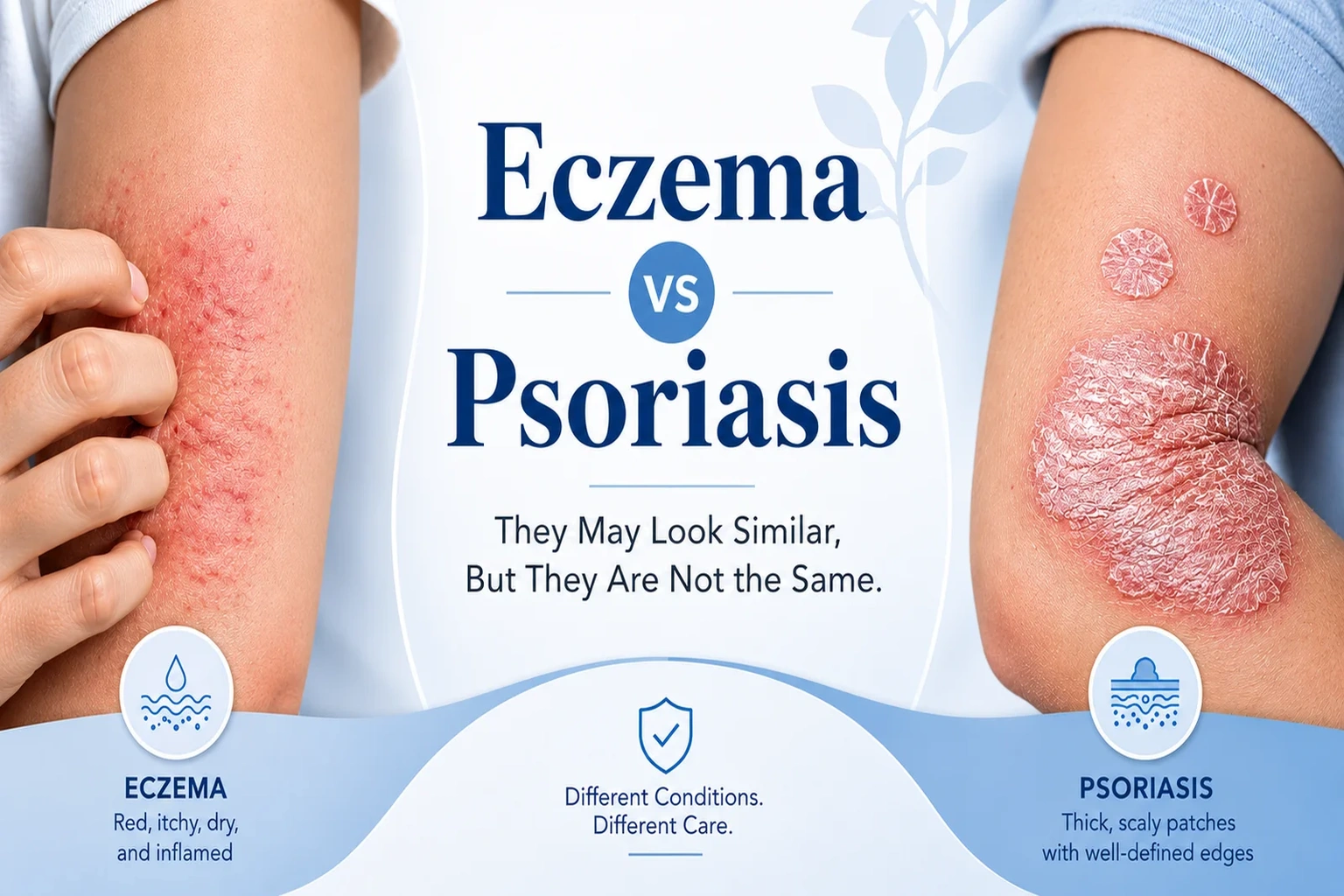
They May Look Similar, But They Are Not the Same
Have you noticed dark patches appearing on your face and wondered whether they're simply sunspots or something more? Many people assume that any brown mark on the skin is caused by sun exposure, but that's not always true. Two of the most common forms of skin pigmentation—melasma and sunspots—can look similar at first glance, yet they have different causes, patterns, and treatment approaches.
Understanding the difference is essential because treating the wrong condition may delay improvement or even make pigmentation worse. While both conditions are usually harmless, they can affect confidence and often require a combination of sun protection, proper skincare, and medical guidance for the best results.
Let's explore how melasma and sunspots differ, why they develop, and what you can do to manage them effectively.
Key Takeaways
Melasma and sunspots are different types of skin pigmentation with different causes.
Melasma is often linked to hormonal changes and sun exposure, while sunspots are primarily caused by long-term UV damage.
Accurate diagnosis is important because each condition responds differently to treatment.
Daily sunscreen use is one of the most effective ways to prevent both conditions from worsening.
Homeopathy may be considered as part of a holistic treatment plan after proper evaluation by a qualified physician.
What Is Melasma?
Melasma is a common skin condition characterized by symmetrical brown, gray-brown, or tan patches that usually appear on the face. It most commonly affects the cheeks, forehead, bridge of the nose, upper lip, and chin.
Unlike ordinary pigmentation, melasma develops because skin cells called melanocytes produce excess melanin, the pigment responsible for skin color. Although sunlight is an important trigger, hormonal influences also play a major role.
Melasma is particularly common in women, especially during pregnancy or while taking hormonal medications such as oral contraceptive pills.
Because of its association with pregnancy, melasma is sometimes referred to as the "mask of pregnancy."
What Are Sunspots?
Sunspots, also called age spots or liver spots, are flat brown, black, or tan spots that develop after years of exposure to ultraviolet (UV) radiation.
Unlike melasma, sunspots usually appear as individual spots rather than large patches.
They commonly develop on areas that receive frequent sunlight, including:
Face
Hands
Shoulders
Arms
Neck
Upper chest
Sunspots become more common with increasing age because UV damage accumulates over many years.
Melasma vs. Sunspots: What's the Difference?
Although both conditions involve excess pigmentation, they differ in several important ways.
Melasma usually appears as larger, symmetrical patches on both sides of the face. It is strongly influenced by hormones, genetics, and sun exposure. It commonly affects younger and middle-aged women but can also occur in men.
Sunspots, on the other hand, usually appear as individual, well-defined dark spots. They develop primarily because of long-term sun exposure and are more common after the age of forty.
Recognizing these differences helps guide appropriate treatment.
What Causes Melasma?
Melasma develops because multiple factors stimulate excessive melanin production.
Common triggers include:
Sun exposure
Hormonal changes
Pregnancy
Birth control pills
Hormone replacement therapy
Genetic predisposition
Thyroid disorders in some individuals
Heat exposure
Certain skincare products that irritate the skin
Even brief exposure to sunlight can worsen melasma, making sun protection an essential part of treatment.
What Causes Sunspots?
Sunspots develop gradually after repeated exposure to ultraviolet radiation.
Over time, UV rays stimulate melanocytes to produce more pigment, leading to localized dark spots.
Risk factors include:
Frequent outdoor activities
Inadequate sunscreen use
Fair skin
Advancing age
History of sunburns
Tanning beds
Unlike melasma, hormonal changes play little or no role in sunspot formation.
How Can You Tell the Difference?
Although only a dermatologist can provide a definite diagnosis, certain characteristics may help distinguish the two.
Melasma often appears as:
Large patches
Symmetrical pigmentation
Smooth borders
Gray-brown or brown discoloration
Mostly on the cheeks, forehead, upper lip, and nose
Sunspots usually appear as:
Small, isolated spots
Clearly defined borders
Light brown to dark brown color
Face, hands, shoulders, and arms
Areas with long-term sun exposure
If you're unsure which type of pigmentation you have, professional evaluation is the best approach.
Can They Be Prevented?
While not every case can be prevented, reducing UV exposure significantly lowers the risk of both conditions.
Protect your skin by:
Applying a broad-spectrum sunscreen with SPF 30 or higher every day.
Reapplying sunscreen every two hours when outdoors.
Wearing a wide-brimmed hat and sunglasses.
Seeking shade during peak sunlight hours.
Avoiding tanning beds.
Wearing protective clothing during prolonged outdoor activities.
For people with melasma, consistent sun protection is one of the most important parts of long-term management.
Why Some Treatments Don't Work
Many people try home remedies or random skin-lightening products without knowing the exact cause of their pigmentation.
Using harsh exfoliants, steroid creams without medical advice, or excessive bleaching agents may irritate the skin and sometimes make pigmentation worse.
Because melasma and sunspots respond differently to treatment, accurate diagnosis should always come first.
Lifestyle Habits That Support Healthy Skin
Healthy skin depends on more than creams alone.
Supporting your skin from within includes:
Eating a balanced diet rich in fruits and vegetables.
Staying hydrated.
Managing stress effectively.
Getting adequate sleep.
Avoiding smoking.
Protecting your skin from excessive sunlight.
Following a consistent skincare routine suitable for your skin type.
While lifestyle changes cannot completely eliminate pigmentation, they help maintain overall skin health.
A Doctor's Perspective on Homeopathy
Homeopathy follows an individualized approach to patient care. During consultation, a qualified homeopathic physician evaluates not only the pigmentation but also the patient's overall health, hormonal status, lifestyle, stress levels, medical history, and constitutional factors before selecting an appropriate treatment plan.
However, proper diagnosis is essential. Persistent pigmentation should first be evaluated by a qualified healthcare professional to rule out underlying medical conditions and determine whether the pigmentation represents melasma, sunspots, or another skin disorder.
Homeopathy may be considered as part of a holistic management plan under professional supervision.
When Should You See a Doctor?
Consult a dermatologist or qualified healthcare professional if:
Pigmentation appears suddenly.
Dark patches increase rapidly in size.
The affected area changes in color or texture.
Pigmentation is associated with itching, bleeding, or pain.
Over-the-counter treatments are not improving the condition.
You are unsure whether the pigmentation is melasma, sunspots, or another skin condition.
Early diagnosis often leads to more effective treatment and helps prevent unnecessary skin damage.
Final Thoughts
Melasma and sunspots may appear similar, but they develop for different reasons and often require different treatment strategies. Understanding what type of pigmentation you have is the first step toward choosing the right care.
Rather than relying on self-diagnosis or social media skincare trends, seek professional advice if pigmentation persists or worsens. Combined with sun protection, healthy lifestyle habits, and individualized treatment when needed, proper care can help improve your skin while protecting it for the future.
Healthy skin isn't about achieving perfection—it's about understanding your skin's needs and giving it the care it deserves.
Disclaimer: This article is intended for educational purposes only and should not replace professional medical advice, diagnosis, or treatment. If you have persistent or changing skin pigmentation, consult a qualified dermatologist or healthcare professional for an accurate diagnosis and personalized treatment plan.