Mental Fatigue in Women: Causes, Symptoms and Ways to Support Better Focus
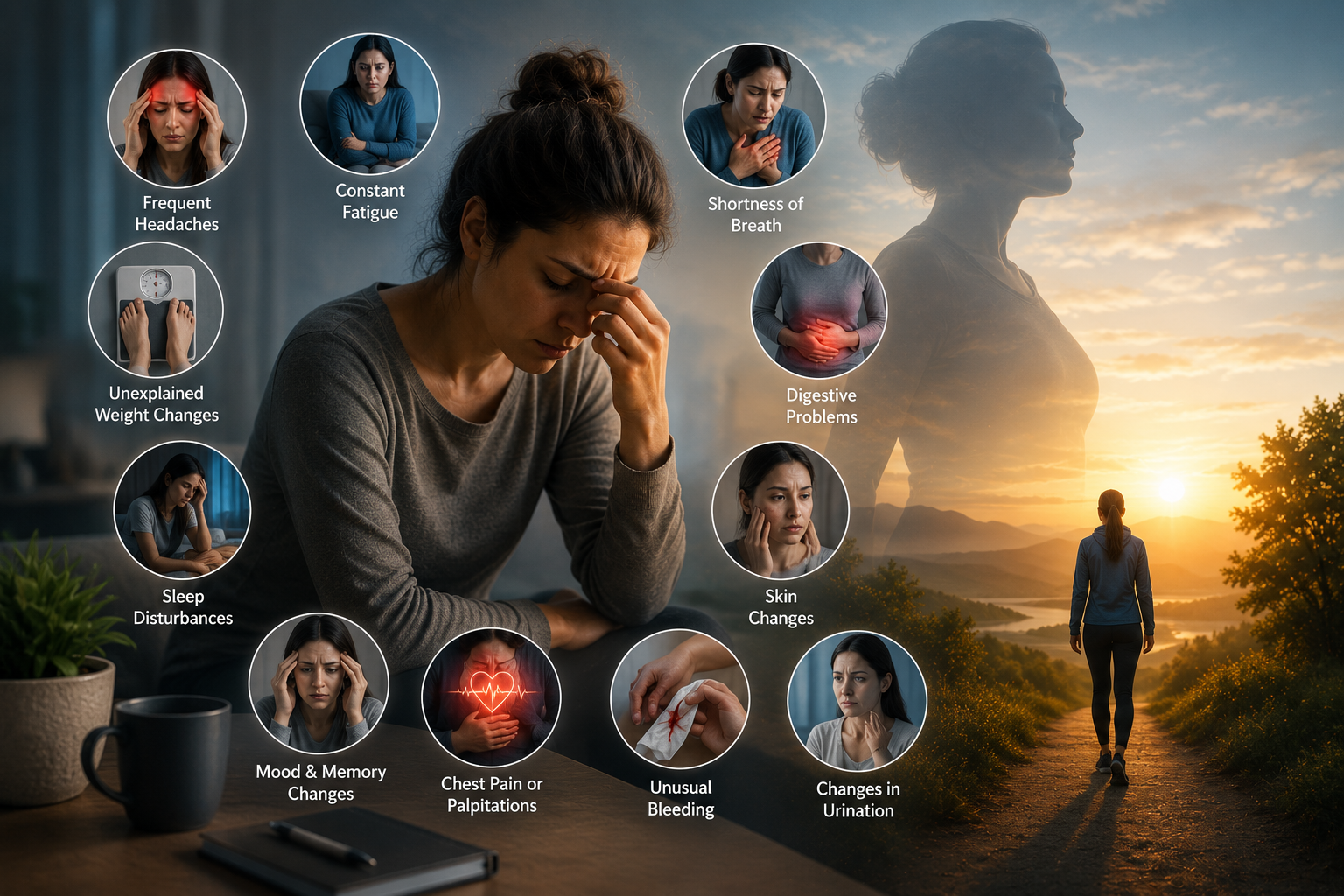
Do you sometimes feel mentally exhausted even when you have not done anything physically demanding? Perhaps you struggle to concentrate, forget small things, find it difficult to make decisions, or feel like your mind needs a break.
This experience may be described as mental fatigue. It can happen when the brain has been working under prolonged pressure or when physical and emotional factors are affecting your ability to think clearly.
Mental fatigue is not a disease by itself. It can be associated with stress, poor sleep, lifestyle factors, emotional difficulties, hormonal changes, and certain medical conditions.
What Is Mental Fatigue?
Mental fatigue is a feeling of reduced mental energy or difficulty maintaining cognitive effort.
Unlike ordinary tiredness after physical activity, mental fatigue may make tasks such as reading, planning, studying, working, or making decisions feel unusually difficult.
You may experience:
- Difficulty concentrating
- Forgetfulness
- Feeling mentally drained
- Trouble making decisions
- Reduced motivation
- Difficulty finding the right words
- Becoming easily distracted
- Feeling overwhelmed by simple tasks
- Taking longer to complete familiar activities
These symptoms can occur temporarily, particularly during stressful or demanding periods.
Common Causes of Mental Fatigue in Women
1. Ongoing Stress
Stress is one of the common factors that can contribute to mental exhaustion.
Work pressure, family responsibilities, financial concerns, relationship difficulties, caregiving, and major life changes can all increase mental load.
Stress may cause difficulty concentrating, forgetfulness, feeling overwhelmed, and difficulty making decisions.
When the mind is constantly occupied with worries and unfinished tasks, it can become harder to focus on what is happening in the present moment.
2. Poor Sleep
Sleep is essential for physical and mental wellbeing.
Regularly getting insufficient or poor-quality sleep can leave you feeling tired, irritable, less focused, and less able to cope with everyday tasks.
Women experiencing perimenopause or menopause may also experience sleep disturbances, including nighttime waking and night sweats. Poor sleep can then contribute to daytime tiredness, memory difficulties, and problems with concentration.
3. Hormonal Changes
Hormonal changes can be particularly relevant to women's health.
During perimenopause and menopause, some women experience forgetfulness, brain fog, difficulty concentrating, mood changes, and sleep problems.
However, not every episode of mental fatigue is caused by hormones. Sleep, stress, lifestyle, nutrition, and other health conditions may also contribute.
4. Too Many Responsibilities
Women may find themselves balancing several roles at the same time, such as professional responsibilities, household tasks, parenting, caregiving, and personal commitments.
Constantly switching between responsibilities can leave little opportunity for mental recovery.
You may feel as though you are always thinking about the next task, even when you are supposed to be resting.
5. Emotional Exhaustion
Mental and emotional health are closely connected.
Persistent anxiety, low mood, grief, or overwhelming stress can affect concentration, motivation, sleep, and energy levels. Stress itself can cause mental symptoms such as difficulty concentrating, forgetfulness, and feeling overwhelmed.
If emotional difficulties continue or begin interfering with everyday life, professional support can be valuable.
6. Poor Eating Habits
Your body and brain need adequate nutrition to function properly.
Skipping meals, following restrictive diets without professional guidance, or having an unbalanced diet may contribute to tiredness and reduced energy.
Some medical conditions and nutritional deficiencies can also cause fatigue, which is why persistent unexplained tiredness should not simply be attributed to lifestyle.
7. Lack of Physical Activity
When you feel mentally exhausted, exercise may be the last thing you want to do.
However, regular physical activity is part of a healthy lifestyle and may help improve energy and overall wellbeing. Even a short walk can be a useful way to introduce movement into your day.
Signs You May Be Experiencing Mental Fatigue
Mental fatigue can look different from one person to another.
Difficulty Staying Focused
You may start a task but find your attention drifting repeatedly.
Forgetfulness
You may forget appointments, conversations, names, or things you were planning to do.
Mental Slowness
Tasks that normally feel simple may suddenly require much more effort.
Decision Fatigue
Even small decisions can feel overwhelming when your mind is already overloaded.
Low Motivation
You may know that something needs to be done but feel mentally unable to get started.
Feeling Overwhelmed
A long list of ordinary responsibilities may suddenly feel impossible to manage.
How Can Women Support Better Mental Focus?
The goal is not to force your brain to work harder. Instead, focus on creating conditions that support recovery and concentration.
Prioritize Sleep
Try to maintain a consistent sleep and wake schedule.
Create a relaxing bedtime routine and keep your bedroom comfortable, quiet, and suitable for sleep. The National Institute on Aging recommends regular sleep schedules and healthy bedtime habits, particularly during the menopausal transition.
Take Regular Breaks
Working continuously for hours can increase mental exhaustion.
Take short breaks during demanding tasks. Step away from the screen, stretch, walk around, or simply give yourself a few minutes without active mental work.
Reduce Multitasking
Instead of trying to handle everything simultaneously, choose one important task at a time.
Breaking larger responsibilities into smaller steps can make them feel more manageable.
Stay Physically Active
Regular movement can support energy and general wellbeing.
You can start with simple activities such as walking, stretching, yoga, or other forms of exercise you enjoy.
Eat Regular, Balanced Meals
Try not to regularly skip meals.
Include a variety of vegetables, fruits, whole grains, protein sources, nuts, seeds, and other nutrient-rich foods as part of a balanced eating pattern.
Stay Hydrated
Keep water available throughout the day and drink regularly according to your individual needs and environment.
Make Time for Mental Recovery
Rest is not only about sleeping.
Reading, spending time outdoors, listening to music, pursuing hobbies, spending time with supportive people, or simply having quiet time can provide opportunities to step away from daily demands.
Manage Stress
Identify the situations that repeatedly drain your mental energy.
Relaxation techniques, breathing exercises, physical activity, social support, and professional counselling can be useful approaches for managing stress.
A Simple Daily Routine for Better Focus
You do not need to change your entire lifestyle at once.
Morning
- Wake up at a consistent time.
- Drink water.
- Have a balanced meal.
- Decide on your most important task for the day.
During the day
- Work on one task at a time.
- Take short breaks.
- Move regularly.
- Eat regular meals.
- Limit unnecessary notifications and distractions.
Evening
- Reduce demanding activities before bedtime.
- Spend some time relaxing.
- Avoid excessive caffeine late in the day.
- Follow a consistent sleep routine.
Small changes that are repeated consistently can be easier to maintain than major lifestyle changes made all at once.
When Should You Seek Professional Advice?
Mental fatigue that occurs occasionally after a particularly stressful or busy period is usually not unusual.
However, speak with a qualified healthcare professional if your fatigue:
- Continues for several weeks
- Is getting worse
- Interferes with work or daily activities
- Occurs despite adequate sleep
- Is accompanied by unexplained weight changes
- Is associated with persistent low mood or anxiety
- Occurs with other unexplained physical symptoms
Persistent fatigue can have many causes, including sleep problems, stress, depression, hormonal changes, nutritional deficiencies, certain medicines, and medical conditions.
In some cases, a healthcare professional may recommend an examination or blood tests to investigate possible causes such as anaemia, diabetes, or thyroid problems.
Sudden confusion, difficulty speaking, weakness, loss of coordination, or other sudden neurological symptoms require urgent medical attention.
Mental Fatigue Is Not a Sign of Weakness
Feeling mentally exhausted does not mean that you are lazy or incapable.
Your mind, like your body, needs periods of activity and recovery. When stress, poor sleep, hormonal changes, and everyday responsibilities accumulate, mental fatigue can become more noticeable.
Recognizing the signs can help you take action before exhaustion begins to interfere significantly with your everyday life.
Final Thoughts
Mental fatigue can affect concentration, memory, motivation, decision-making, and everyday productivity. For women, factors such as stress, poor sleep, hormonal changes, emotional wellbeing, lifestyle habits, and certain health conditions may all play a role.
Instead of simply pushing through exhaustion, pay attention to what your mind and body may be telling you.
Better sleep, regular movement, balanced nutrition, stress management, meaningful breaks, and professional guidance when needed can all be important parts of supporting better mental focus.