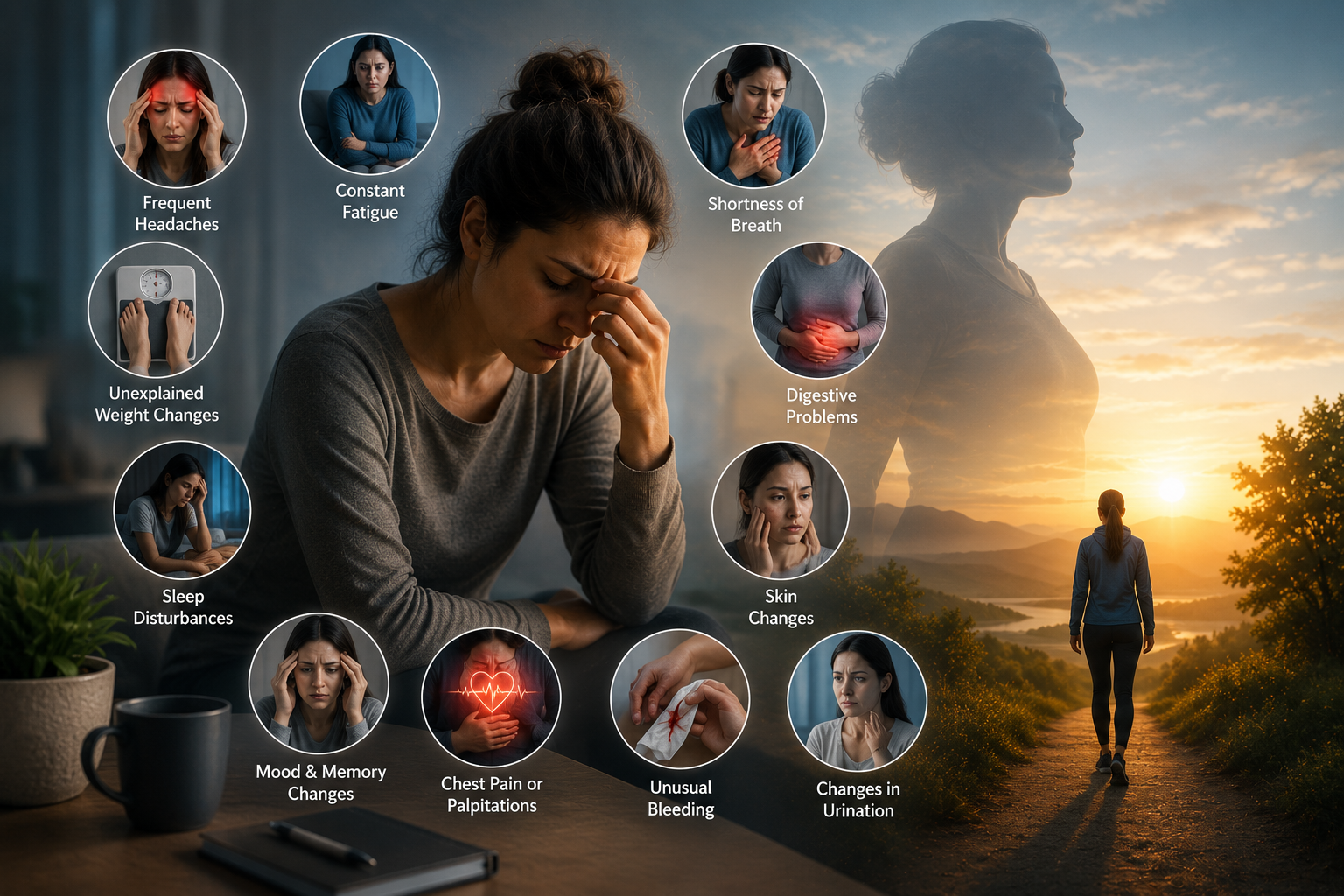
Why Are Healthy-Looking People Falling Sick More Often?
Looking Healthy Doesn't Always Mean Being Healthy
Have you ever been surprised to hear that someone who exercises regularly, maintains a healthy weight, and appears energetic has suddenly been diagnosed with diabetes, high blood pressure, heart disease, or even cancer? It's becoming increasingly common, and it raises an important question: Can someone look perfectly healthy on the outside while silently developing a serious health condition?
The answer is yes.
Modern medicine has shown that many chronic diseases begin developing years before obvious symptoms appear. A person may look physically fit, maintain a normal body weight, and still have underlying health problems that remain unnoticed until they become more serious. Today's fast-paced lifestyle, chronic stress, poor sleep, processed foods, environmental pollution, and sedentary work habits have changed the way diseases develop. As a result, appearance alone is no longer a reliable indicator of good health.
Understanding why this happens is the first step toward protecting your long-term well-being.
Key Takeaways
Good physical appearance does not always reflect internal health.
Many chronic diseases develop silently without obvious symptoms.
Stress, poor sleep, unhealthy eating habits, and inactivity can affect even physically fit individuals.
Regular health check-ups are essential, even if you feel perfectly healthy.
Homeopathy focuses on individualized care and overall well-being but should always complement proper medical diagnosis and preventive healthcare.
The Difference Between Looking Healthy and Actually Being Healthy
Many people associate health with visible characteristics such as clear skin, a slim body, or an active lifestyle. While these are positive signs, they don't tell the complete story.
True health includes the proper functioning of every organ, balanced hormones, healthy blood sugar levels, good cardiovascular health, emotional well-being, strong immunity, and adequate nutrition. Problems affecting these systems often remain hidden for years because they do not initially produce noticeable symptoms.
This is why doctors often emphasize that prevention and regular health screenings are just as important as treating illness.
Silent Diseases Are More Common Than You Think
Several common health conditions are known as "silent diseases" because they can progress without causing significant discomfort in their early stages.
High blood pressure often causes no symptoms until complications such as stroke or heart disease develop.
Type 2 diabetes may remain undiagnosed for years while gradually damaging blood vessels, nerves, kidneys, and eyes.
High cholesterol rarely causes warning signs but significantly increases the risk of heart attacks and strokes.
Fatty liver disease can silently progress to liver inflammation and scarring without noticeable pain.
Early-stage kidney disease, thyroid disorders, osteoporosis, and certain cancers may also develop quietly.
By the time symptoms become obvious, these conditions may already require more extensive treatment.
Modern Lifestyle Is Affecting Everyone
One of the biggest reasons apparently healthy individuals develop health problems is the modern lifestyle.
Many professionals spend eight to ten hours sitting at a desk despite exercising for one hour each day. Long periods of sitting reduce metabolism, affect circulation, increase insulin resistance, and contribute to chronic inflammation.
Busy schedules often lead to irregular meals, excessive caffeine intake, processed foods, late-night eating, and inadequate hydration. These habits may not immediately change a person's appearance, but they gradually affect internal health.
Technology has also reduced physical activity in daily life. Elevators replace stairs, vehicles replace walking, and screen time replaces outdoor movement. These seemingly small lifestyle changes accumulate over time.
Chronic Stress: The Hidden Health Risk
Stress has become one of the most underestimated contributors to disease.
When the body experiences prolonged stress, it continuously releases stress hormones such as cortisol and adrenaline. While these hormones are essential during emergencies, persistently elevated levels may affect almost every organ system.
Long-term stress has been associated with high blood pressure, digestive disorders, weakened immunity, sleep disturbances, anxiety, depression, hormonal imbalance, weight gain around the abdomen, and increased cardiovascular risk.
Many people continue functioning normally despite chronic stress, making it easy to overlook its impact until health problems appear.
Sleep Is More Powerful Than Most People Realize
Getting enough sleep is not simply about feeling refreshed the next morning. During sleep, the body repairs tissues, regulates hormones, strengthens immunity, and consolidates memory.
Consistently sleeping less than the recommended duration or experiencing poor-quality sleep may increase the risk of obesity, diabetes, heart disease, weakened immunity, mood disorders, and reduced cognitive performance.
Unfortunately, modern lifestyles often prioritize productivity over rest, causing many individuals to underestimate the importance of healthy sleep.
Hidden Nutritional Deficiencies
Even people who appear healthy may have nutritional deficiencies.
Modern diets often provide sufficient calories but insufficient essential nutrients. Iron deficiency, vitamin D deficiency, vitamin B12 deficiency, magnesium deficiency, and inadequate protein intake are surprisingly common.
These deficiencies may contribute to fatigue, muscle weakness, hair fall, poor concentration, low immunity, mood changes, and reduced physical performance long before severe symptoms develop.
Routine health assessments can help identify these deficiencies early.
Gut Health Influences Overall Health
The digestive system plays a much larger role than simply processing food.
The gut contains trillions of microorganisms that help regulate digestion, immunity, metabolism, and even aspects of mental health. An imbalance in these beneficial bacteria may contribute to digestive disorders, allergies, obesity, inflammation, autoimmune diseases, and mood disorders.
Poor dietary habits, frequent antibiotic use, chronic stress, and lack of dietary fiber can negatively affect gut health.
Maintaining a balanced diet rich in fruits, vegetables, whole grains, and fermented foods supports a healthier digestive system.
Environmental Factors Matter Too
Health is influenced not only by personal habits but also by environmental exposure.
Air pollution, second-hand smoke, chemicals, pesticides, excessive noise, and prolonged exposure to artificial light may all affect long-term health. While these exposures often do not produce immediate symptoms, research suggests they contribute to respiratory diseases, cardiovascular disorders, allergies, hormonal disturbances, and chronic inflammation.
Reducing unnecessary environmental exposures wherever possible supports overall wellness.
Mental Health Cannot Be Separated From Physical Health
Mental and physical health are closely connected.
Persistent anxiety, emotional stress, burnout, loneliness, and depression can weaken the immune system, increase inflammation, disrupt hormonal balance, and affect cardiovascular health.
Likewise, chronic physical illness can contribute to emotional distress.
Maintaining emotional well-being through healthy relationships, relaxation techniques, regular physical activity, and professional support when needed is an essential part of preventive healthcare.
Why Regular Health Check-Ups Matter
One of the biggest misconceptions is that medical check-ups are only necessary after symptoms appear.
Preventive health screenings help detect conditions before complications develop. Depending on your age, family history, and risk factors, your doctor may recommend monitoring blood pressure, blood sugar, cholesterol, thyroid function, liver and kidney health, vitamin levels, and certain cancer screenings.
Early detection often leads to simpler treatment, lower healthcare costs, and significantly better outcomes.
A Doctor's Perspective on Prevention
Doctors often say that the best treatment is prevention. Maintaining a healthy body weight and exercising regularly are excellent habits, but they represent only part of the picture.
A comprehensive approach to health includes balanced nutrition, adequate sleep, stress management, regular movement throughout the day, avoiding tobacco and excessive alcohol, staying up to date with preventive screenings, and paying attention to subtle changes in your body.
Ignoring mild but persistent symptoms simply because you "look healthy" may delay important diagnoses.
The Role of Homeopathy in Holistic Well-Being
Homeopathy follows an individualized approach that considers physical symptoms, emotional well-being, lifestyle, and overall constitution. Many individuals seek homeopathic care for chronic complaints, allergies, stress-related concerns, recurrent infections, and general wellness support.
However, responsible healthcare always begins with an accurate diagnosis. Persistent symptoms should never be ignored or self-treated without appropriate medical evaluation. Homeopathy may be considered as part of a comprehensive healthcare plan under the guidance of a qualified homeopathic physician.
Final Thoughts
Health is far more than what we see in the mirror. A person may appear energetic, maintain an ideal weight, and still be silently developing health conditions that require attention.
Instead of relying solely on outward appearance, focus on what truly defines good health regular medical check-ups, balanced nutrition, quality sleep, emotional well-being, physical activity, and listening to your body's signals.
Remember, preventing disease is always easier than treating it. Looking healthy is a wonderful goal, but being truly healthy should always be the priority.
Disclaimer: This article is intended for educational purposes only and should not replace professional medical advice, diagnosis, or treatment. If you experience persistent symptoms or have concerns about your health, consult a qualified healthcare professional for personalized evaluation and care.