Iron Deficiency in Women: Signs, Causes, and Prevention
Iron is an essential mineral that the body needs to produce hemoglobin, a protein in red blood cells that carries oxygen throughout the body. When the body does not have enough iron, it can first develop iron deficiency and may eventually develop iron-deficiency anemia.
Women can be particularly vulnerable to iron deficiency because of menstrual blood loss, increased nutritional needs during pregnancy, and other factors that can reduce iron absorption or increase iron requirements. Recognizing the early signs and understanding the possible causes can help support timely evaluation and treatment.
What Is Iron Deficiency?
Iron deficiency occurs when the body's iron stores become too low to meet its needs. If the deficiency becomes significant, the body may not produce enough healthy hemoglobin, resulting in iron-deficiency anemia.
Iron is obtained through food and is absorbed primarily in the small intestine. The body carefully regulates iron absorption because both too little and too much iron can cause problems.
Not everyone with low iron stores will immediately develop anemia, which is why appropriate medical testing can be important when symptoms or risk factors are present.
Common Signs of Iron Deficiency
Symptoms can develop gradually and may initially be mistaken for stress, lack of sleep, or a busy lifestyle.
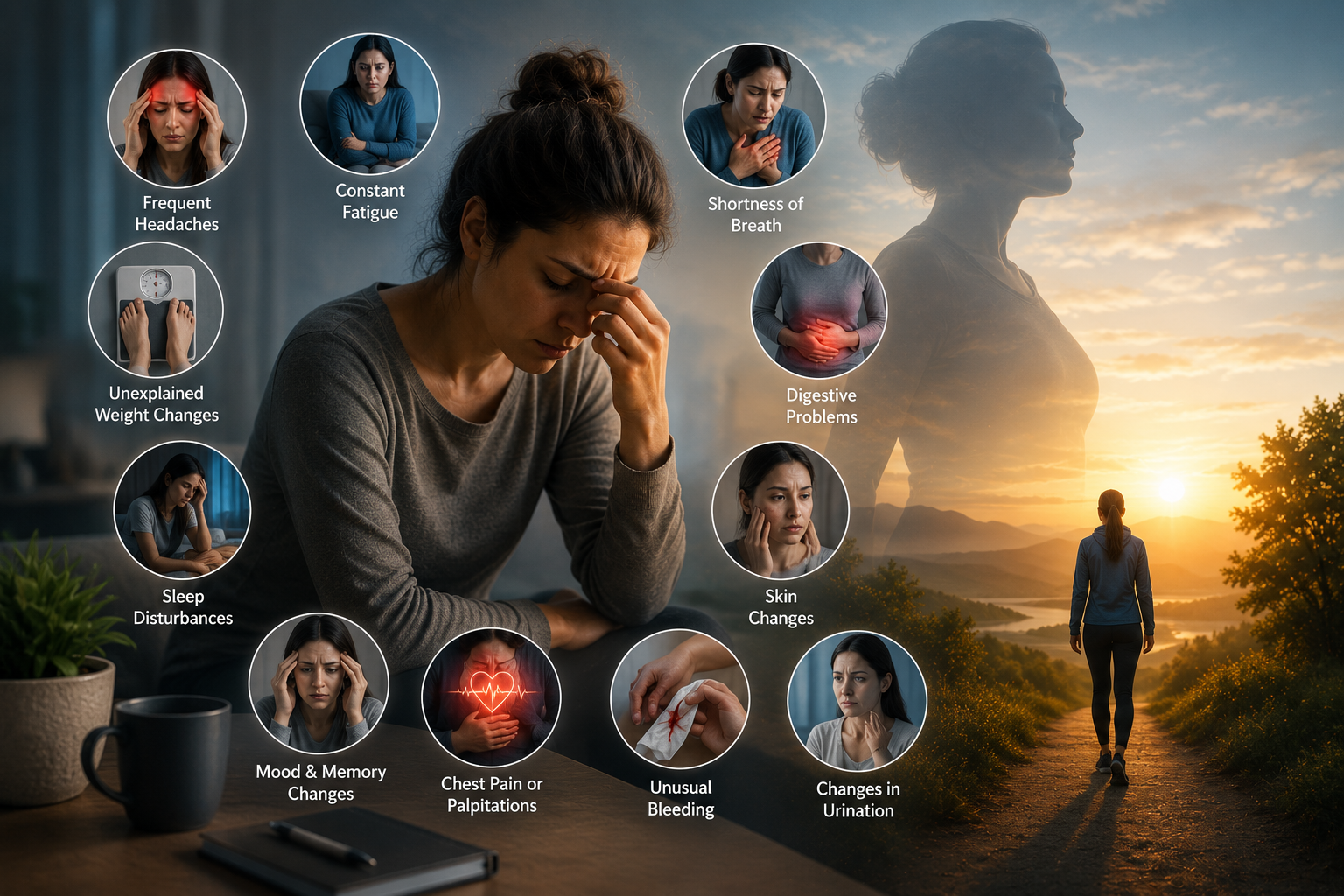
Common signs may include:
1. Persistent Tiredness
Feeling unusually tired or weak is one of the most common symptoms associated with iron-deficiency anemia. Reduced oxygen delivery to tissues can contribute to low energy and reduced physical stamina.
2. Pale Skin
Some people with significant iron-deficiency anemia may notice that their skin looks paler than usual. Paleness can also be more noticeable around the inside of the lower eyelids, gums, or nails.
3. Shortness of Breath
When hemoglobin levels become low, the body may have difficulty delivering enough oxygen to tissues during activity. This can lead to breathlessness, particularly while exercising or performing physically demanding tasks.
4. Dizziness or Headaches
Iron-deficiency anemia may be associated with headaches, dizziness, or lightheadedness. These symptoms can have many other causes, so they should not automatically be attributed to low iron.
5. Weakness and Reduced Exercise Tolerance
A person may find that activities that were previously easy become more tiring. Muscle weakness and reduced endurance can occur when anemia becomes significant.
6. Hair and Nail Changes
Iron deficiency may sometimes be associated with increased hair shedding or changes in the nails. However, hair loss and brittle nails can have many different causes, including thyroid problems, nutritional deficiencies, hormonal changes, and stress.
7. Feeling Cold
Some people with iron-deficiency anemia report feeling unusually cold, particularly in their hands and feet.
8. Unusual Cravings
A condition called pica can occur in some people with iron deficiency. It involves craving or consuming non-food substances such as ice, clay, or paper. Persistent unusual cravings should be discussed with a healthcare professional.
Why Are Women at Risk of Iron Deficiency?
Several factors can increase the likelihood of iron deficiency.
Menstrual Blood Loss
Regular menstrual bleeding is one of the most common reasons women may lose iron. People with heavy or prolonged periods may be at particularly high risk.
Heavy menstrual bleeding may involve soaking through sanitary products unusually frequently, passing large blood clots, bleeding for longer than expected, or having periods that interfere significantly with everyday activities.
Pregnancy
Iron requirements increase during pregnancy because the body needs to support increased blood volume and the growth and development of the baby. Healthcare professionals commonly monitor iron status during pregnancy and may recommend supplements when appropriate.
Breastfeeding and Postpartum Period
Nutritional needs can remain important after childbirth. Blood loss during delivery and dietary factors may also influence iron status.
Low Iron Intake
People who consume limited amounts of iron-rich foods may be at greater risk of deficiency. This can occur with restrictive diets, poor appetite, food insecurity, or an unbalanced diet.
Reduced Iron Absorption
Certain digestive conditions or gastrointestinal surgeries can interfere with iron absorption. Some medications and dietary factors may also affect absorption.
Blood Loss From Other Sources
Iron deficiency can sometimes result from blood loss in the digestive tract. This may occur because of ulcers, gastrointestinal disorders, certain medications, or other conditions.
Unexplained iron deficiency—particularly in people who do not have an obvious source of blood loss—should be medically evaluated.
Foods That Provide Iron
Iron comes from both animal and plant foods.
Heme Iron
Heme iron is found in animal-based foods and is generally absorbed more efficiently. Sources include:
- Lean meat
- Poultry
- Fish
- Seafood
Non-Heme Iron
Non-heme iron is found in plant-based foods and fortified products. Examples include:
- Lentils
- Beans
- Chickpeas
- Tofu
- Spinach and other leafy greens
- Nuts and seeds
- Whole grains
- Iron-fortified cereals
Eating a variety of these foods can help support adequate iron intake.
How to Improve Iron Absorption
The body absorbs non-heme iron less efficiently than heme iron, but certain dietary habits can improve absorption.
Combine Iron-Rich Foods With Vitamin C
Vitamin C can improve the absorption of non-heme iron. Try combining iron-containing foods with sources such as:
- Oranges and other citrus fruits
- Guava
- Kiwi
- Tomatoes
- Bell peppers
- Strawberries
- Broccoli
For example, adding tomatoes or bell peppers to a lentil or bean-based meal can help increase vitamin C intake.
Be Mindful of Tea and Coffee Around Meals
Tea and coffee contain compounds that can reduce the absorption of non-heme iron when consumed with meals. If iron deficiency has been diagnosed, a healthcare professional or dietitian can provide individualized advice about meal timing.
Iron Supplements: Are They Always Necessary?
Iron supplements can be useful when a deficiency has been confirmed or when a healthcare professional determines that supplementation is appropriate.
However, taking iron supplements without medical advice is not always a good idea. Too much iron can be harmful, and symptoms such as tiredness or hair loss can have causes unrelated to iron deficiency.
Iron supplements can also cause side effects such as:
- Constipation
- Nausea
- Abdominal discomfort
- Dark-colored stools
The appropriate supplement, dose, and duration depend on the individual's iron status and underlying cause.
How Is Iron Deficiency Diagnosed?
A healthcare professional may evaluate symptoms, dietary habits, menstrual history, medical history, and possible sources of blood loss.
Blood tests may include measurements such as:
- Hemoglobin
- Complete blood count
- Ferritin
- Serum iron and other iron-related markers when appropriate
Ferritin is commonly used to assess the body's stored iron, although its interpretation can be affected by inflammation and other factors.
If iron deficiency is identified, the next step is often determining why it occurred rather than simply replacing the iron.
Prevention Tips for Women
Several everyday habits can support healthy iron intake.
1. Eat a Varied Diet
Include a combination of iron-rich foods and nutrient-dense foods throughout the week.
2. Pay Attention to Heavy Periods
If your periods are unusually heavy or prolonged, speak with a healthcare professional. Treating the underlying cause of heavy bleeding may help prevent repeated iron loss.
3. Include Vitamin C
Pair plant-based iron sources with fruits and vegetables rich in vitamin C.
4. Follow Recommended Pregnancy Care
Pregnancy increases iron requirements. Attend recommended prenatal appointments and follow your healthcare professional's advice regarding iron testing and supplementation.
5. Don't Ignore Persistent Symptoms
Ongoing fatigue, weakness, breathlessness, dizziness, or unusual cravings deserve attention, particularly when several symptoms occur together.
6. Avoid Unnecessary Supplementation
More iron is not always better. Use iron supplements only when recommended by a qualified healthcare professional.
When Should You See a Doctor?
Consider seeking medical advice if you experience:
- Persistent or unexplained fatigue
- Shortness of breath during normal activities
- Frequent dizziness or lightheadedness
- Very heavy or prolonged menstrual bleeding
- Unusual cravings for non-food substances
- Persistent weakness
- Noticeable hair shedding accompanied by other symptoms
- Symptoms of anemia
- Iron deficiency that repeatedly returns despite treatment
Urgent medical attention may be necessary for severe breathlessness, fainting, chest pain, or significant unexplained bleeding.
Can Homeopathy Help With Iron Deficiency?
Some people may consider homeopathy as a complementary approach to general wellness. However, there is insufficient reliable scientific evidence to establish homeopathy as an effective treatment for iron deficiency or iron-deficiency anemia.
If iron deficiency is suspected or confirmed, it is important to identify and address the underlying cause and restore iron levels through evidence-based care. Homeopathic products should not replace medically recommended iron treatment, dietary changes, testing, or treatment of an underlying source of blood loss.
Conclusion
Iron deficiency is a common nutritional concern that can affect women at different stages of life. Menstrual blood loss, pregnancy, inadequate dietary intake, reduced absorption, and other forms of blood loss can all contribute to low iron levels.
A balanced diet containing iron-rich foods, combined with vitamin C-rich foods, can support healthy iron intake. However, persistent symptoms should not be self-diagnosed, and iron supplements should not be taken unnecessarily.
If you experience ongoing fatigue, heavy periods, dizziness, breathlessness, or other concerning symptoms, consult a qualified healthcare professional. Proper testing can determine whether iron deficiency is present and help identify the most appropriate treatment.
This article is intended for general educational purposes and should not be considered a substitute for professional medical diagnosis, treatment, or personalized healthcare advice.