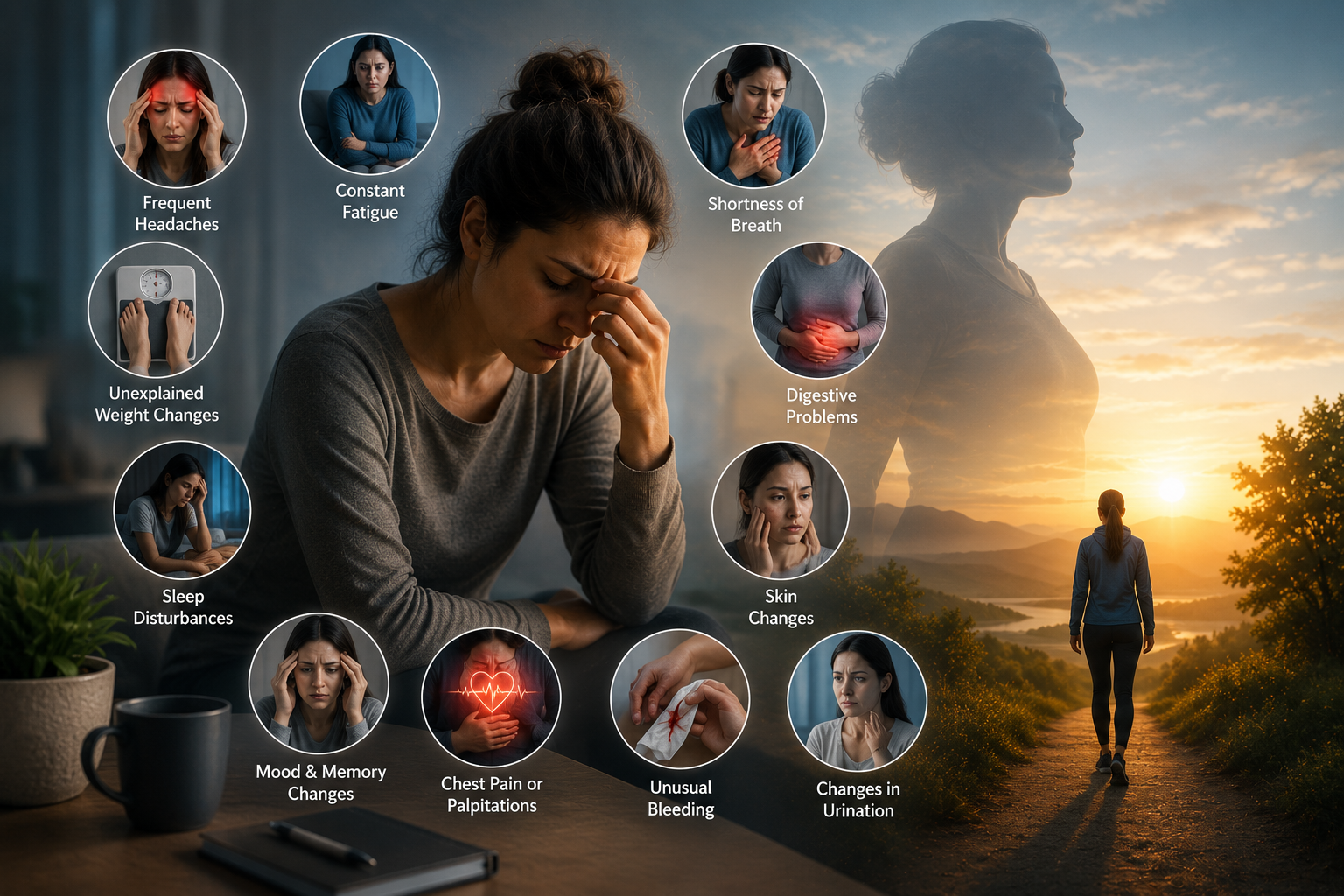
How Lifestyle Habits Can Influence Menstrual Health
Menstrual health is an important part of women's overall health. The menstrual cycle is influenced by a complex interaction of hormones, reproductive organs, the brain, nutrition, physical activity, sleep, stress, and general health.
Lifestyle habits do not determine menstrual health on their own, and an irregular period is not always caused by lifestyle. However, factors such as significant changes in body weight, excessive exercise, inadequate nutrition, stress, and poor sleep can influence menstrual patterns in some women.
Understanding the connection between everyday habits and menstrual health can help women make informed choices and recognize when professional medical advice may be needed.
What Is Menstrual Health?
Menstrual health involves more than simply having a monthly period. It includes the regularity, duration, amount of bleeding, and symptoms associated with the menstrual cycle.
Menstrual patterns can naturally vary between individuals and can change during different stages of life, including adolescence, pregnancy, the postpartum period, perimenopause, and menopause.
A significant or persistent change from your usual menstrual pattern should not automatically be attributed to lifestyle. It may sometimes indicate an underlying medical condition.
1. Balanced Nutrition and Menstrual Health
Nutrition provides the energy and nutrients needed for normal body functions, including reproductive health.
Following a balanced diet that includes vegetables, fruits, whole grains, pulses, protein sources, nuts, seeds, and healthy fats can support overall health.
Very restrictive diets or inadequate calorie intake can affect reproductive hormone function. In some women, particularly those who are under-fueling relative to their activity level, this can contribute to irregular or absent periods.
The goal is not a specific diet but adequate and varied nutrition that meets the body's needs.
2. Maintaining a Healthy Weight
Significant changes in body weight can affect menstrual cycles.
Being significantly underweight may interfere with normal reproductive hormone activity, while obesity can also be associated with menstrual irregularities and conditions such as PCOS.
Weight should therefore be considered as part of overall health rather than focusing only on a number on the scale.
If menstrual changes occur alongside significant or unexplained weight changes, speaking with a healthcare professional can help identify the underlying cause.
3. Physical Activity and Menstrual Health
Regular physical activity has many health benefits and can support general physical and emotional well-being.
Activities such as:
- Walking
- Swimming
- Cycling
- Yoga
- Strength training
- Dancing
can be incorporated into a healthy routine.
However, extremely intense exercise combined with inadequate energy intake can sometimes disrupt normal menstrual function.
Women who exercise heavily and experience repeated missed or irregular periods should discuss these changes with a healthcare professional.
4. Managing Everyday Stress
Stress can affect the systems involved in regulating reproductive hormones.
Periods may become delayed, irregular, or occasionally absent during periods of significant stress. However, stress is only one possible explanation for menstrual changes.
Simple stress-management habits may include:
- Deep breathing
- Meditation or mindfulness
- Regular physical activity
- Spending time with supportive people
- Taking regular breaks
- Maintaining hobbies
- Getting adequate rest
Finding practical ways to manage stress can benefit both mental and overall health.
5. Getting Enough Sleep
Sleep is an important part of general health and recovery.
Poor sleep can affect mood, energy, stress levels, and daily functioning. Maintaining a consistent sleep schedule and creating a relaxing bedtime routine may support overall well-being.
Sleep alone cannot guarantee a regular menstrual cycle, but healthy sleep habits are an important part of a balanced lifestyle.
6. Avoiding Extreme Dieting
Rapid weight-loss programs and highly restrictive eating patterns may not provide enough energy or nutrients for the body's needs.
When the body does not receive adequate energy, reproductive functions can sometimes be affected.
Instead of following extreme diets, focus on sustainable eating habits and seek professional nutritional advice when necessary.
7. Staying Hydrated
Adequate hydration supports normal body functions.
Drinking enough fluids throughout the day is particularly important when exercising, during hot weather, or when experiencing fluid loss.
Hydration does not directly regulate the menstrual cycle, but it contributes to overall health and can support general comfort during menstruation.
8. Avoiding Smoking and Excessive Alcohol
Smoking can negatively affect overall reproductive health, while excessive alcohol consumption can have broader effects on physical and mental well-being.
Avoiding tobacco and limiting alcohol according to established health guidance can be part of a healthier lifestyle.
Women who are pregnant or trying to become pregnant should discuss alcohol and other lifestyle factors with a healthcare professional.
9. Understanding Your Menstrual Pattern
One of the easiest ways to become more aware of menstrual health is to track your cycle.
You can record:
- The first day of your period
- The last day of bleeding
- Changes in bleeding amount
- Pain or cramps
- Mood changes
- Other symptoms
- Major lifestyle changes
- Medications or contraception
Tracking can help you identify whether your cycle follows a consistent pattern or whether there has been a noticeable change.
10. Managing Menstrual Discomfort
Some women experience cramps, headaches, fatigue, mood changes, bloating, or breast tenderness around menstruation.
Regular physical activity, adequate sleep, balanced nutrition, relaxation techniques, and appropriate medical advice may help manage some symptoms.
If pain is severe, persistent, or interferes with school, work, relationships, or daily activities, it should not simply be considered a normal part of menstruation. A healthcare professional can evaluate the symptoms.
11. Lifestyle and PCOS
Polycystic ovary syndrome (PCOS) is a common hormonal condition that can affect menstrual cycles.
Women with PCOS may experience irregular periods, acne, increased facial or body hair, changes in weight, or difficulties with fertility.
Healthy eating, regular physical activity, adequate sleep, and weight management when appropriate can be important parts of managing PCOS. However, lifestyle changes should be individualized and do not replace medical evaluation or treatment.
12. Menstrual Health During Different Life Stages
Lifestyle needs and menstrual patterns can change throughout a woman's life.
Adolescence
During the first few years after menstruation begins, cycles may be irregular as the reproductive system matures. Nutrition, physical activity, stress, and sleep are still important parts of overall health.
Reproductive Years
During adulthood, major changes in stress, weight, exercise, nutrition, or health may influence menstrual patterns. Pregnancy and contraception can also change periods.
Pregnancy and Postpartum
Pregnancy naturally stops menstrual periods. After childbirth, menstruation may take time to return, particularly while breastfeeding.
Perimenopause
During the menopause transition, periods often become less predictable because hormone levels fluctuate. Lifestyle habits remain important for overall health during this stage.
When Should You Seek Medical Advice?
Lifestyle changes should not be used to explain away persistent menstrual problems.
Consider speaking with a healthcare professional if you experience:
- Repeatedly irregular periods
- Repeatedly missed periods
- Very heavy bleeding
- Periods lasting longer than usual
- Bleeding between periods
- Severe menstrual pain
- Significant unexplained weight changes
- New or excessive facial or body hair
- Persistent acne along with irregular periods
- Difficulty becoming pregnant
- A sudden change in your usual menstrual pattern
These symptoms can have many possible causes, including hormonal conditions, thyroid disorders, PCOS, pregnancy, medications, and other health conditions.
Building Healthy Habits for Menstrual Wellness
A sustainable lifestyle can include:
- Eat a varied and balanced diet.
- Avoid extreme dieting or prolonged food restriction.
- Stay physically active.
- Allow adequate recovery when exercising.
- Maintain a regular sleep routine.
- Manage stress through healthy coping strategies.
- Stay adequately hydrated.
- Avoid smoking and unhealthy substance use.
- Track your menstrual cycle and symptoms.
- Seek professional advice when menstrual changes persist.
The aim is not to achieve a "perfect" menstrual cycle through lifestyle changes. Instead, healthy habits provide a foundation for overall well-being and can help women better understand changes in their bodies.
Final Thoughts
Lifestyle habits can influence many aspects of women's health, and factors such as nutrition, physical activity, stress, sleep, and significant changes in body weight may affect menstrual patterns in some women.
At the same time, menstrual irregularities can have medical causes that require proper evaluation. It is therefore important not to assume that every menstrual change is the result of lifestyle.
Taking care of your nutrition, sleep, physical activity, stress levels, and overall health can support menstrual wellness while helping you become more aware of changes that may require professional attention.